Ten Games in One Cabinet

The PlayChoice-10 Cart Wall

A PlayChoice-10 cabinet held ten games at once, and each game arrived as its own bare circuit board. The whole library, board by board.

The wall fifty-two boards

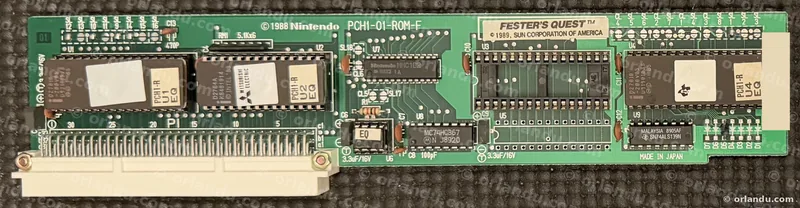
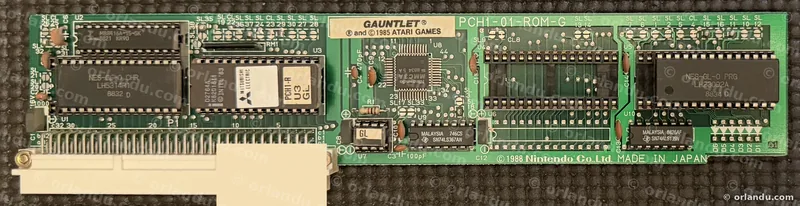
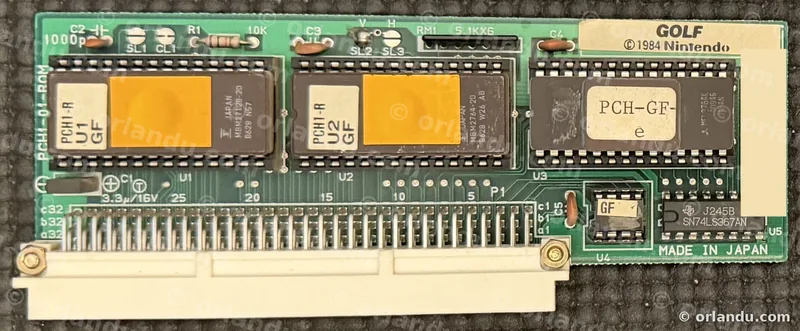
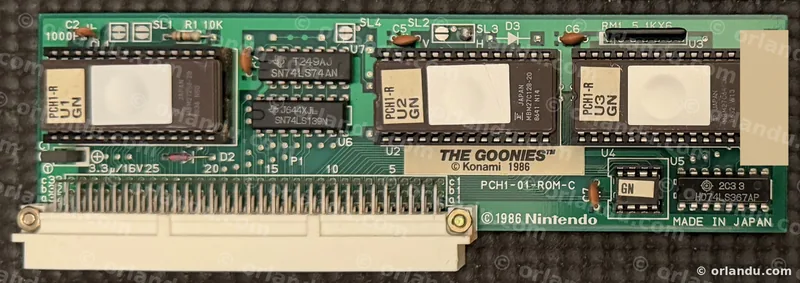
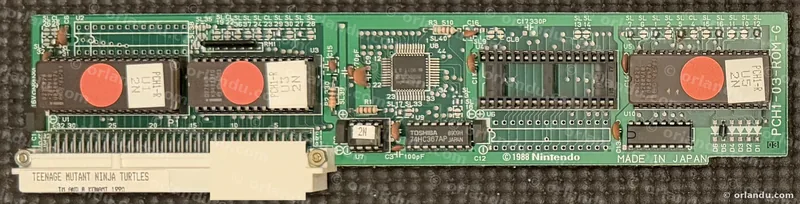
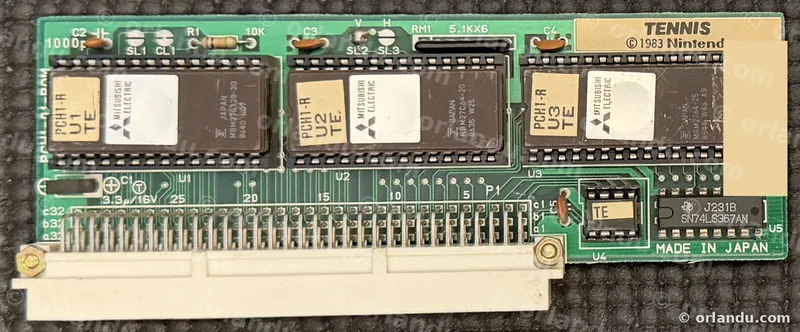
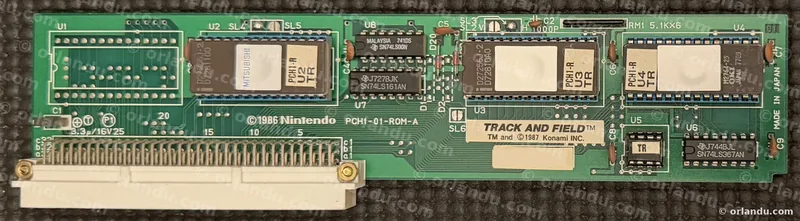
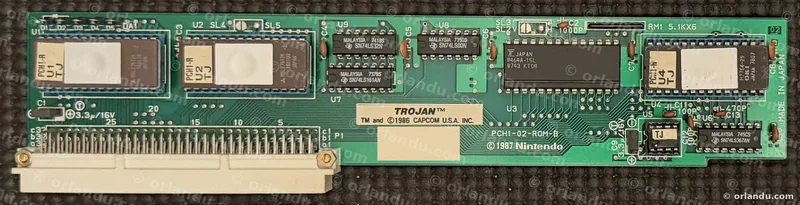
The ROMs sit in sockets, a Nintendo part number runs silkscreened down the middle, and a printed title label goes on the front. No shell, no artwork, nothing to protect it — these were never meant to be seen by anyone but the operator who swapped them. Click any board to open it full size.

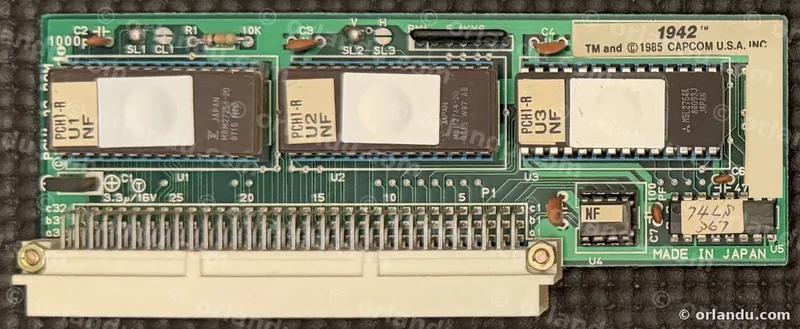
Nintendo PlayChoice-10 game board for 1942, component side
1942
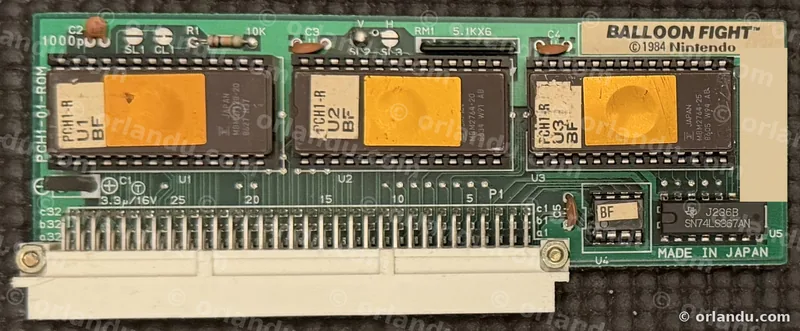
Nintendo PlayChoice-10 game board for Balloon Fight, component side
Balloon Fight
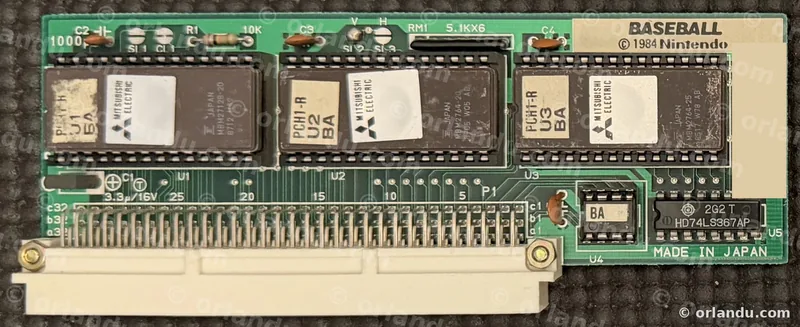
Nintendo PlayChoice-10 game board for Baseball, component side
Baseball
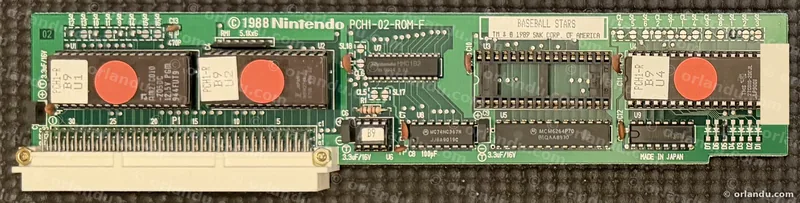
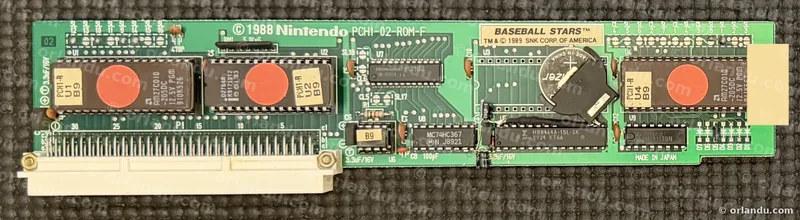
Nintendo PlayChoice-10 game board for Baseball Stars, component side
Baseball Stars
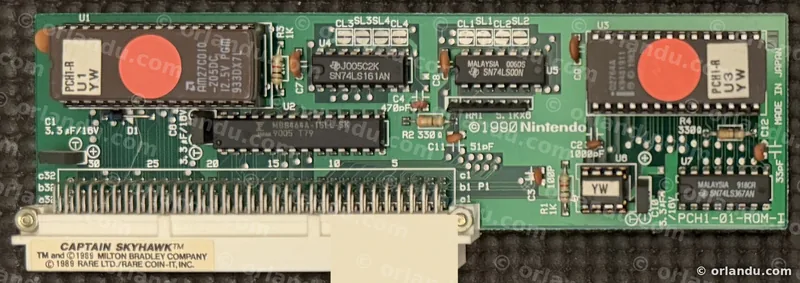
Nintendo PlayChoice-10 game board for Captain Skyhawk, component side
Captain Skyhawk
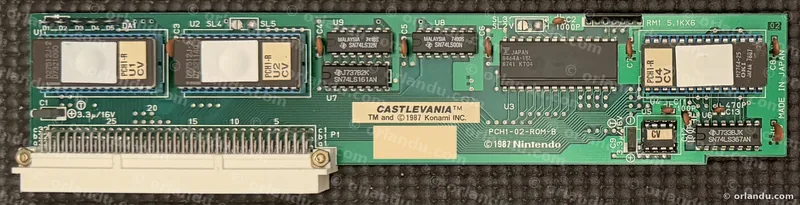
Nintendo PlayChoice-10 game board for Castlevania, component side
Castlevania
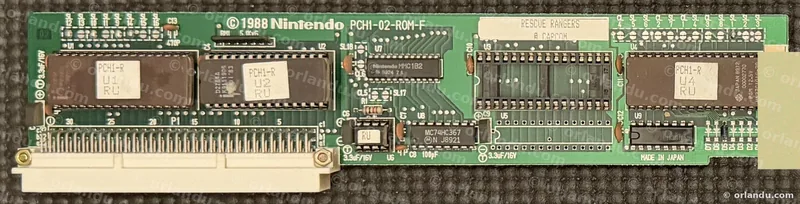
Nintendo PlayChoice-10 game board for Chip 'n Dale Rescue Rangers, component side
Chip ’n Dale Rescue Rangers
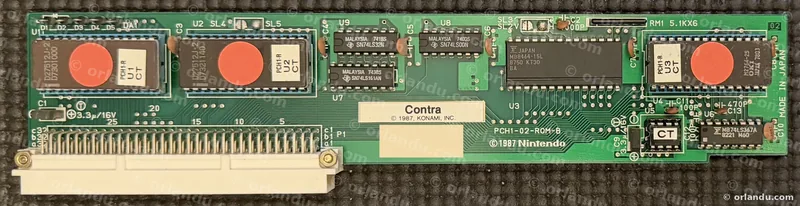
Nintendo PlayChoice-10 game board for Contra, component side
Contra
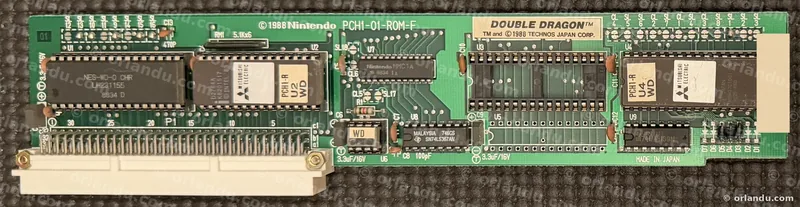
Nintendo PlayChoice-10 game board for Double Dragon, component side
Double Dragon
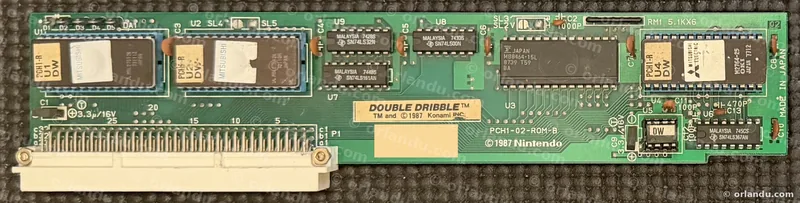
Nintendo PlayChoice-10 game board for Double Dribble, component side
Double Dribble
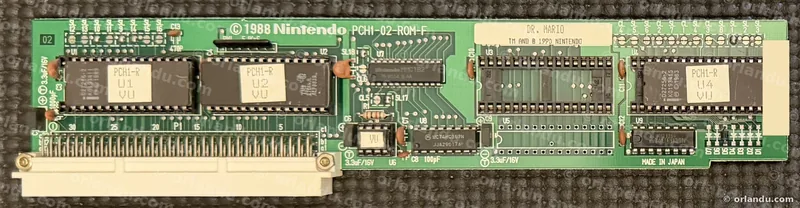
Nintendo PlayChoice-10 game board for Dr. Mario, component side
Dr. Mario
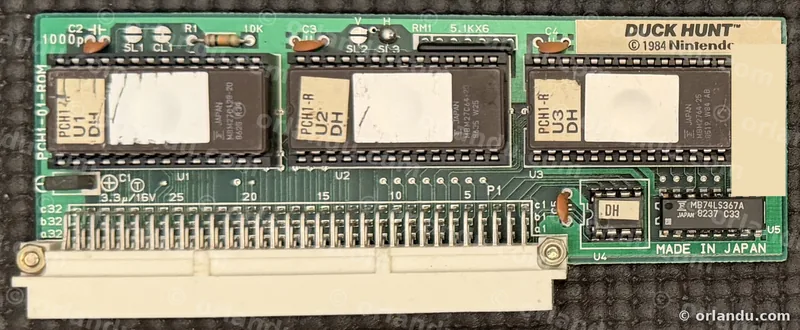
Nintendo PlayChoice-10 game board for Duck Hunt, component side
Duck Hunt
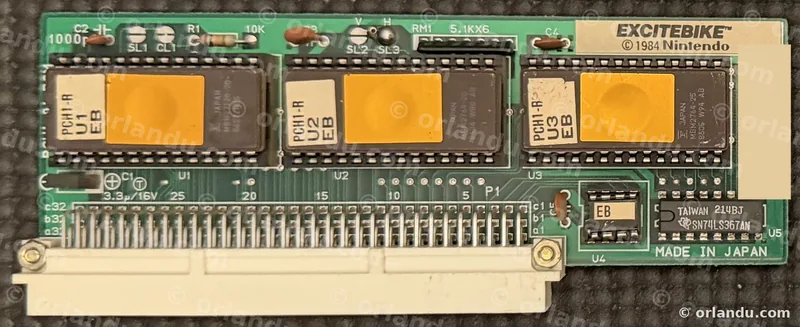
Nintendo PlayChoice-10 game board for Excitebike, component side
Excitebike
Nintendo PlayChoice-10 game board for Fester's Quest, component side
Fester’s Quest
Nintendo PlayChoice-10 game board for Gauntlet, component side
Gauntlet
Nintendo PlayChoice-10 game board for Golf, component side
Golf
Nintendo PlayChoice-10 game board for The Goonies, component side
The Goonies
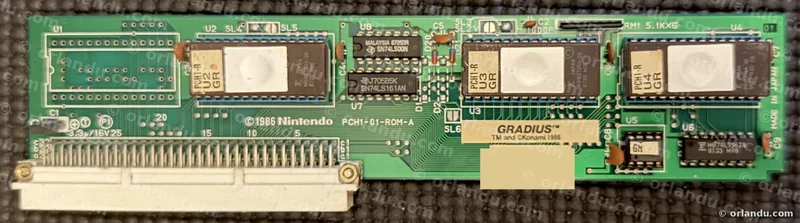
Nintendo PlayChoice-10 game board for Gradius, component side
Gradius
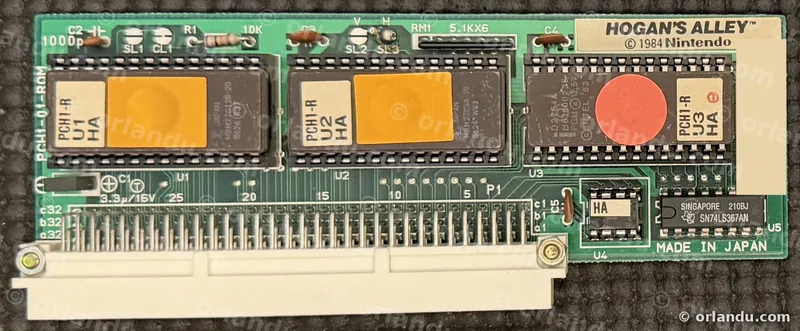
Nintendo PlayChoice-10 game board for Hogan's Alley, component side
Hogan’s Alley
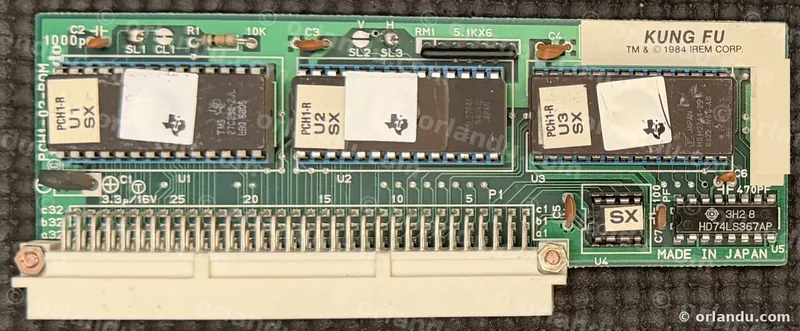
Nintendo PlayChoice-10 game board for Kung Fu, component side
Kung Fu
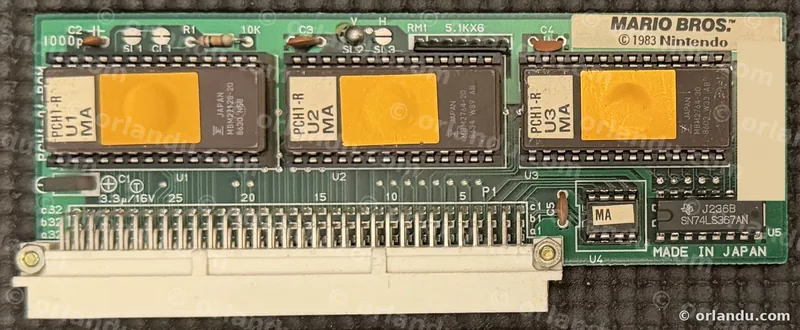
Nintendo PlayChoice-10 game board for Mario Bros., component side
Mario Bros.
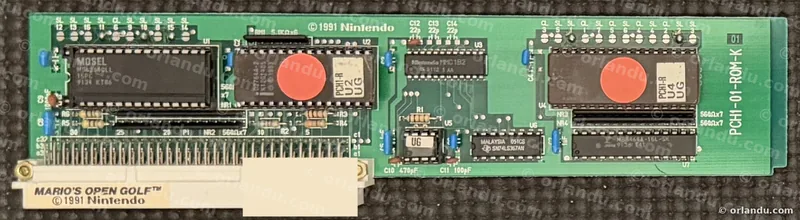
Nintendo PlayChoice-10 game board for Mario's Open Golf, component side
Mario’s Open Golf
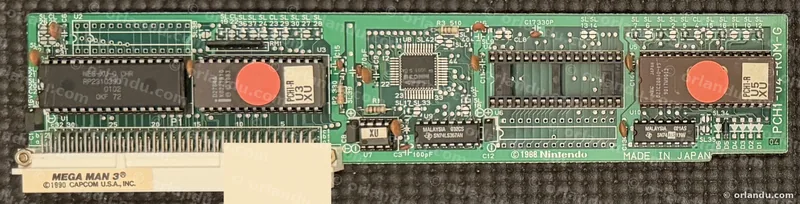
Nintendo PlayChoice-10 game board for Mega Man 3, component side
Mega Man 3
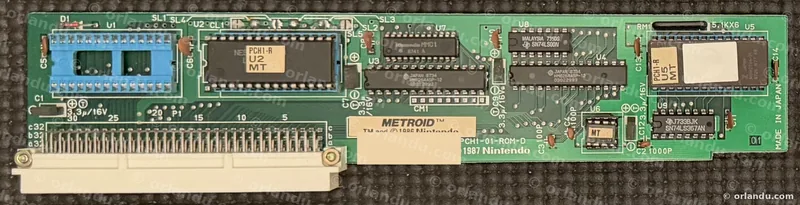
Nintendo PlayChoice-10 game board for Metroid, component side
Metroid
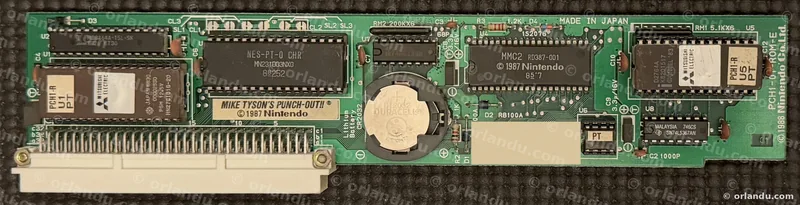
Nintendo PlayChoice-10 game board for Mike Tyson's Punch-Out!!, component side
Mike Tyson’s Punch-Out!!
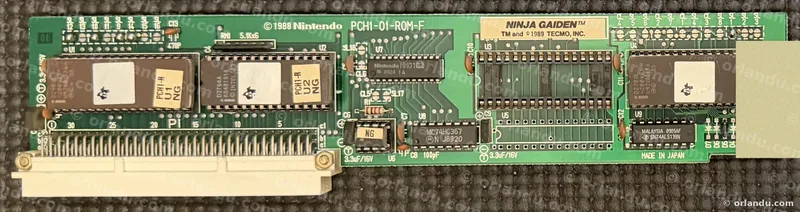
Nintendo PlayChoice-10 game board for Ninja Gaiden, component side
Ninja Gaiden
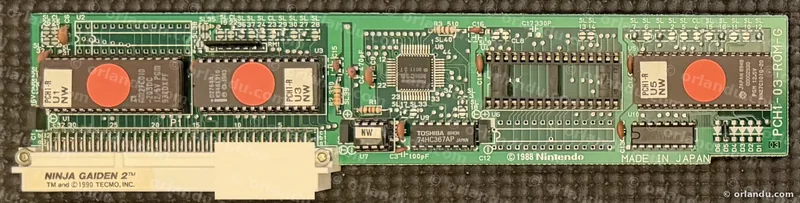
Nintendo PlayChoice-10 game board for Ninja Gaiden II, component side
Ninja Gaiden II
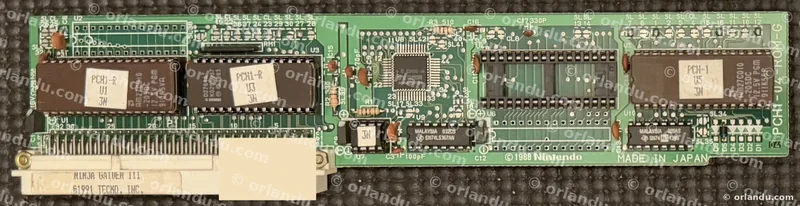
Nintendo PlayChoice-10 game board for Ninja Gaiden III, component side
Ninja Gaiden III
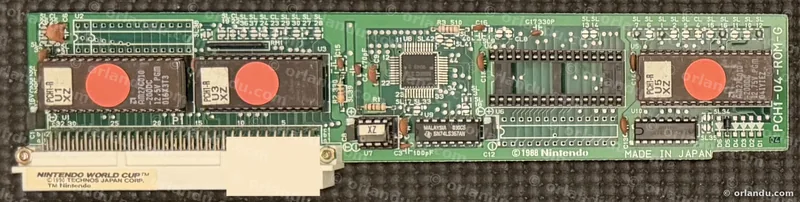
Nintendo PlayChoice-10 game board for Nintendo World Cup, component side
Nintendo World Cup
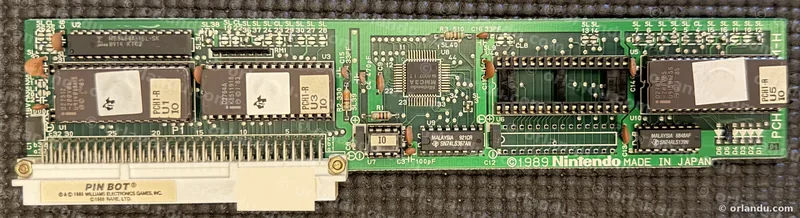
Nintendo PlayChoice-10 game board for Pin-Bot, component side
Pin·Bot
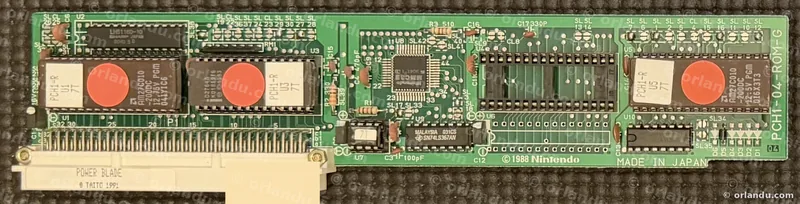
Nintendo PlayChoice-10 game board for Power Blade, component side
Power Blade
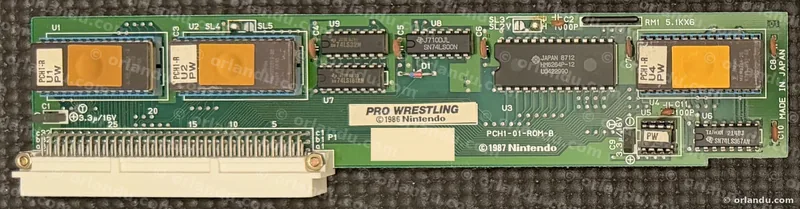
Nintendo PlayChoice-10 game board for Pro Wrestling, component side
Pro Wrestling
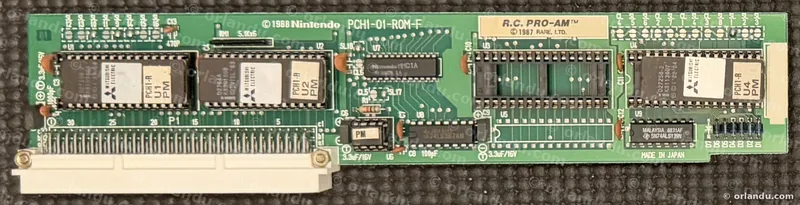
Nintendo PlayChoice-10 game board for R.C. Pro-Am, component side
R.C. Pro-Am
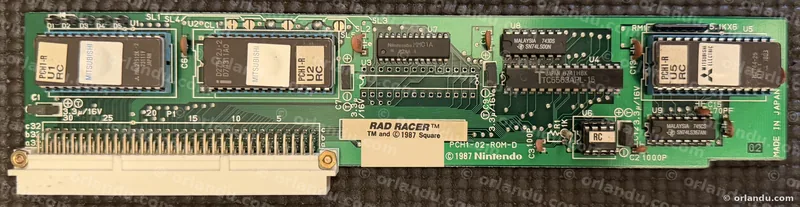
Nintendo PlayChoice-10 game board for Rad Racer, component side
Rad Racer
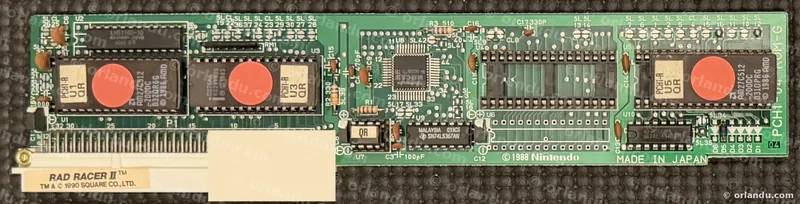
Nintendo PlayChoice-10 game board for Rad Racer II, component side
Rad Racer II
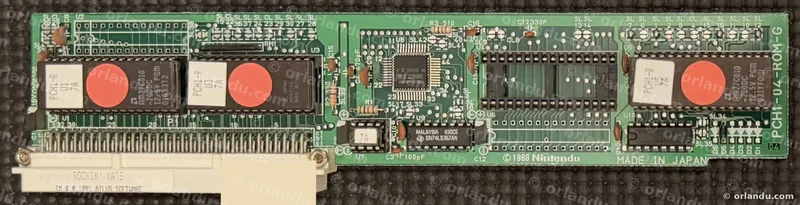
Nintendo PlayChoice-10 game board for Rockin' Kats, component side
Rockin’ Kats
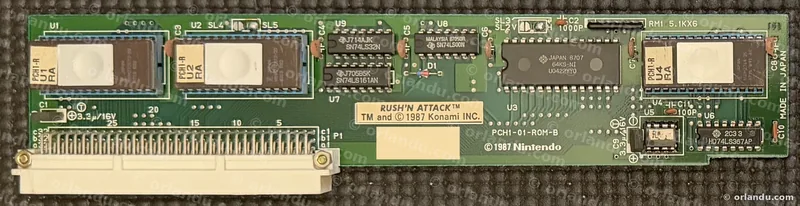
Nintendo PlayChoice-10 game board for Rush'n Attack, component side
Rush’n Attack
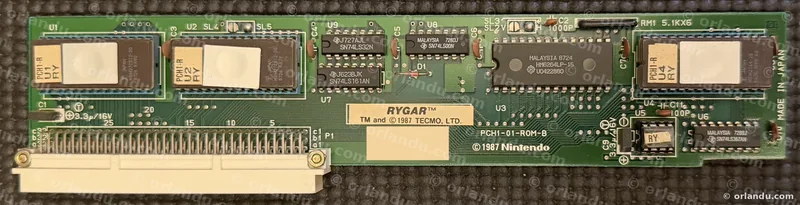
Nintendo PlayChoice-10 game board for Rygar, component side
Rygar
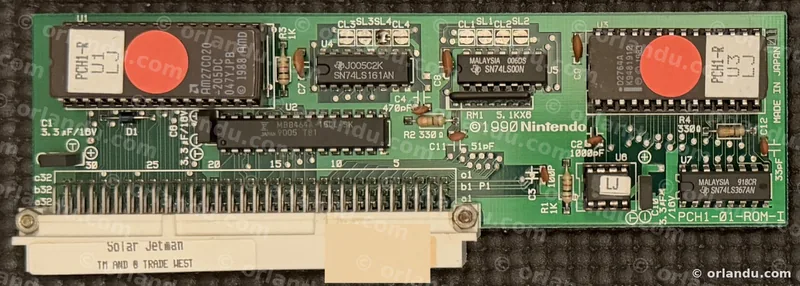
Nintendo PlayChoice-10 game board for Solar Jetman, component side
Solar Jetman
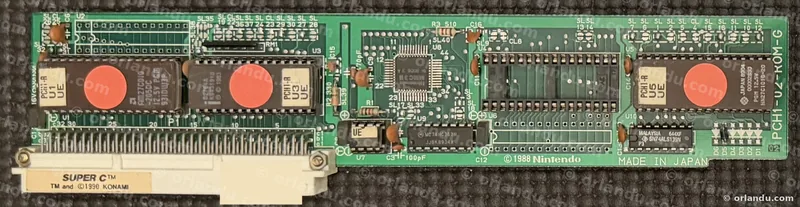
Nintendo PlayChoice-10 game board for Super C, component side
Super C
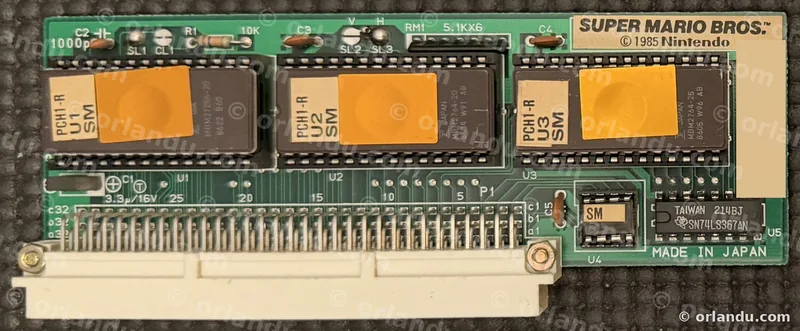
Nintendo PlayChoice-10 game board for Super Mario Bros., component side
Super Mario Bros.
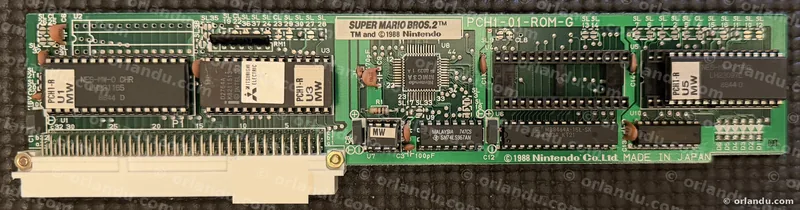
Nintendo PlayChoice-10 game board for Super Mario Bros. 2, component side
Super Mario Bros. 2
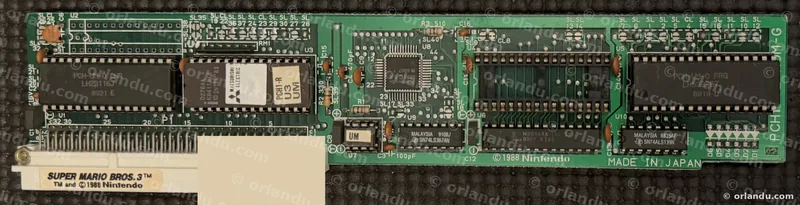
Nintendo PlayChoice-10 game board for Super Mario Bros. 3, component side
Super Mario Bros. 3
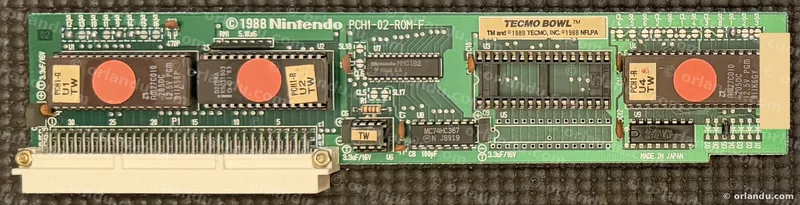
Nintendo PlayChoice-10 game board for Tecmo Bowl, component side
Tecmo Bowl
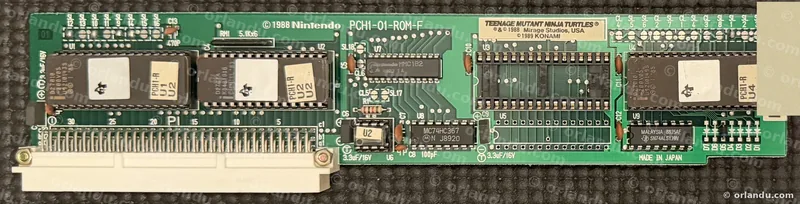
Nintendo PlayChoice-10 game board for Teenage Mutant Ninja Turtles, component side
Teenage Mutant Ninja Turtles
Nintendo PlayChoice-10 game board for Teenage Mutant Ninja Turtles II: The Arcade Game, component side
Teenage Mutant Ninja Turtles II: The Arcade Game
Nintendo PlayChoice-10 game board for Tennis, component side
Tennis
Nintendo PlayChoice-10 game board for Track & Field, component side
Track & Field
Nintendo PlayChoice-10 game board for Trojan, component side
Trojan
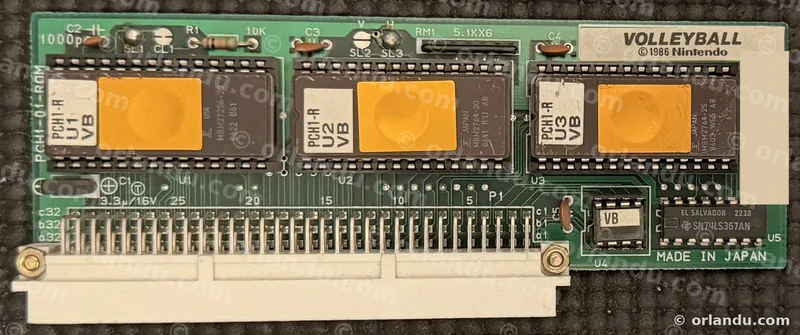
Nintendo PlayChoice-10 game board for Volleyball, component side
Volleyball
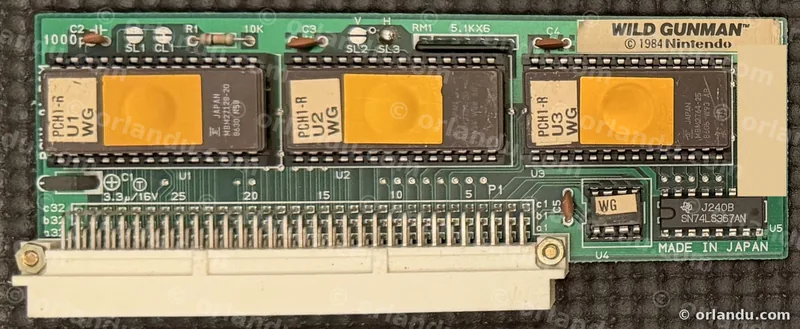
Nintendo PlayChoice-10 game board for Wild Gunman, component side
Wild Gunman
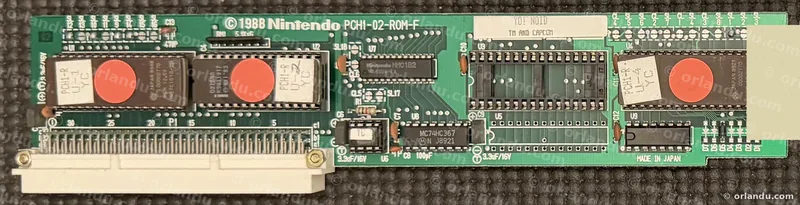
Nintendo PlayChoice-10 game board for Yo! Noid, component side
Yo! Noid

Conversions ten boards Nintendo never made

Some of these are games that never had a PlayChoice release at all, moved onto real PlayChoice hardware. Others are the same title running a different build of the game. What nearly all of them share is a save battery — the one thing a coin-op board has no reason to carry, and the one thing each of these games cannot do without.

Baseball Stars PlayChoice-10 conversion board with a save battery fitted

Baseball Stars battery save

Baseball Stars had a PlayChoice release of its own, but with its heart cut out: exhibition games, and nothing else. Everything the game is remembered for lived behind a save battery on the NES cartridge — the first sports game on the system to carry one — where you built your own team, named every player on it, and ran a league season of up to 125 games while the statistics piled up. This board puts the battery back, so that version is the one that comes up at a cabinet.
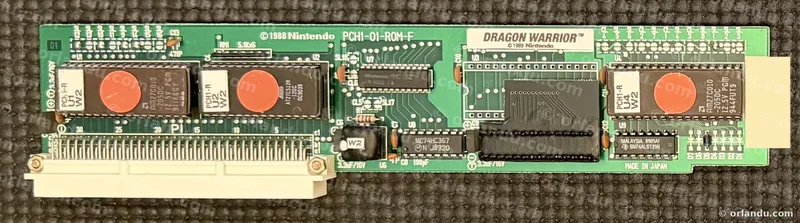
Dragon Warrior on a converted PlayChoice-10 board with save battery

Dragon Warrior

No PlayChoice board ever carried Dragon Warrior, and it is not hard to see why: a cabinet that charges by the minute is the last place anyone would put a sixty-hour role-playing game. This is a conversion with a save battery fitted, which is the only thing that makes the idea work at all — the adventure survives the cabinet being switched off.

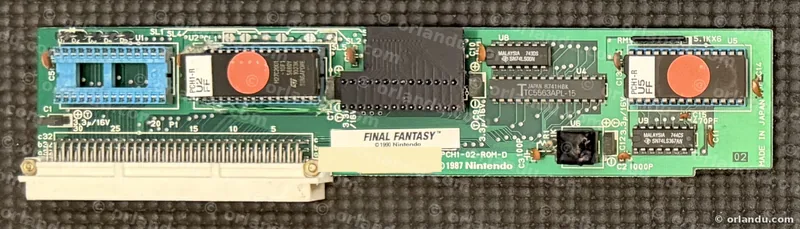
Final Fantasy on a converted PlayChoice-10 board

Final Fantasy

Square’s role-playing game, out in Japan at the end of 1987 and in America in 1990. You name four characters, choose what each of them is, and the decisions made in the first ten minutes are still with you thirty hours later when the class change turns them into something else. All of that lives in one save file, which is the whole reason no arcade board ever carried the game and the reason this one has a battery on it.

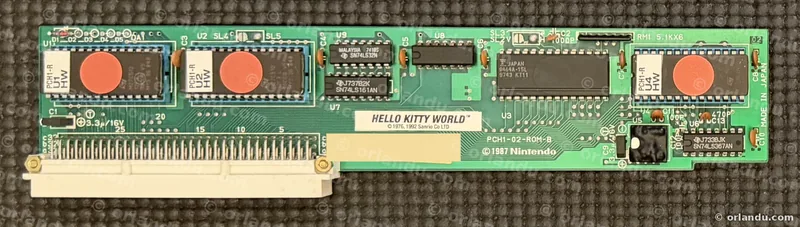
Hello Kitty World on a converted PlayChoice-10 board

Hello Kitty World

A Famicom exclusive from 1992, published by Character Soft and never sold outside Japan. Under the Sanrio artwork it is Balloon Kid — the Game Boy sequel to Balloon Fight — redrawn. Getting it onto a PlayChoice board meant burning ROMs for hardware the game had never met; a friend of the arcade did that work.

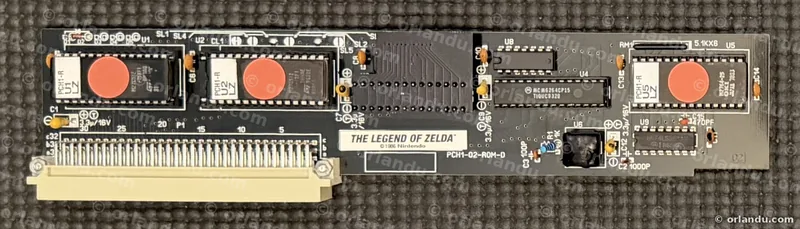
The Legend of Zelda on a custom PlayChoice-10 board with built-in save

The Legend of Zelda

Zelda was never part of the PlayChoice library, which is a shame — a cabinet with a second screen showing instructions above the game is exactly what a 1986 dungeon crawl wanted. This is a fully custom board with the save hardware designed in rather than bodged on.

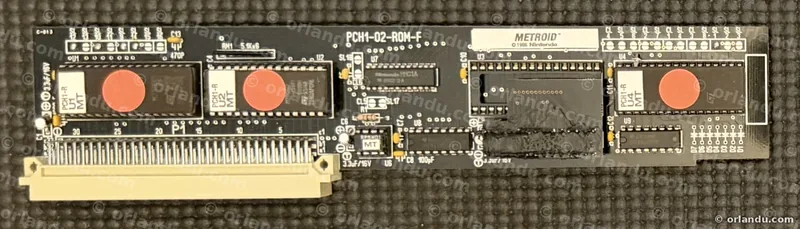
Metroid on a custom PlayChoice-10 board running the save and map hack

Metroid map + save

Metroid was a PlayChoice title, so this one is not about a missing game — it is about which build of it you play. The board runs the community hack that throws out the password screen for three save files and adds a scrolling map to the pause menu, with the battery on board to hold them. It is the version of Metroid everyone wishes had shipped.

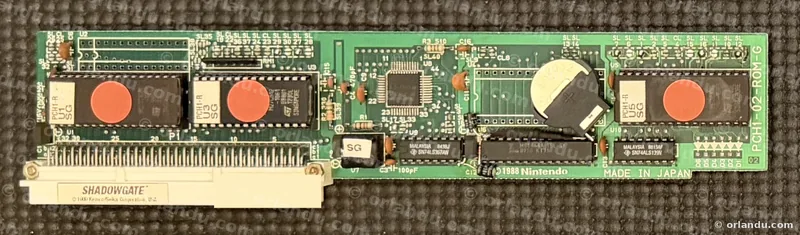
Shadowgate on a converted PlayChoice-10 board with save battery

Shadowgate

Another with no PlayChoice release of its own. A point-and-click adventure where death is one wrong verb away, running on a machine that charges by the minute — the save battery is doing a great deal of work here.

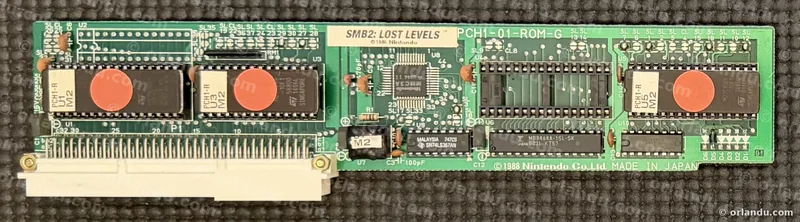
Super Mario Bros.: The Lost Levels on a converted PlayChoice-10 board

Super Mario Bros.: The Lost Levels

The Japanese Super Mario Bros. 2, out on the Famicom Disk System in 1986 and turned down for America as unfairly hard. Nintendo shipped a reworked Doki Doki Panic under that name instead, and that is the Super Mario Bros. 2 up on the wall. This board carries the original: poison mushrooms, wind, and a warp pipe that sends you backwards.

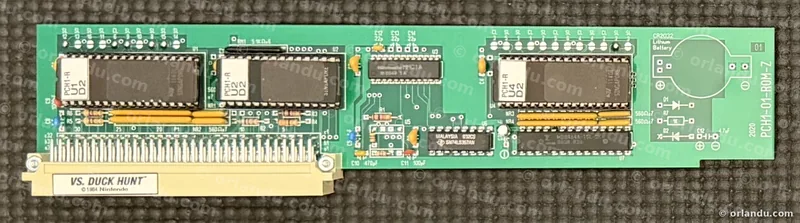
VS. Duck Hunt on a custom PlayChoice-10 board carrying both the arcade and console versions

VS. Duck Hunt

The arcade Duck Hunt is not the console one. The VS. build runs its rounds in sequence and finishes on a bonus stage the home version never had — the same kind of gap that separates VS. Super Mario Bros. from the game everyone grew up on. This custom board carries both versions.

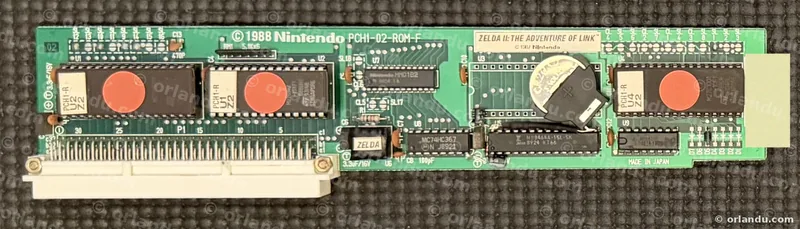
Zelda II: The Adventure of Link on a converted PlayChoice-10 board with save battery

Zelda II: The Adventure of Link

No PlayChoice release either, so: a conversion, battery fitted. Necessary for a game that expects to take your three lives and see you again tomorrow.

What a board is and what it is not

The PlayChoice-10 arrived in 1986 and solved an operator’s problem rather than a player’s. A cabinet plays one game; a cabinet that plays ten earns ten times as many chances at the same quarter. Inside is a motherboard with ten slots, and each game is one of these boards plugged into it. Coins buy time, not lives, and the clock runs across the whole menu — pick a game, die in thirty seconds, pick another and keep going until the timer stops.

The hardware underneath is a Nintendo Entertainment System, which is why the library reads like a shelf of NES boxes. It is not an NES, though, and a board like this will not run in one: the ROMs sit behind the PlayChoice’s own security and menu hardware, and the cabinet expects a second screen full of instructions above the game.

Look along the chips on any board here and you will find the same two letters repeated on every one — Nintendo’s internal code for the title, stamped on each ROM so an operator or a repair tech could tell at a glance that all the pieces belonged together. The labels are the quickest way to read a board when the title sticker has come off:

The part number tells you the rest. Every board is stamped PCH1 and then a revision — PCH1-01-ROM through PCH1-04-ROM, with a letter suffix — and the later the game, the busier the board: the earliest titles here are three fat EPROMs and a handful of logic chips, while the last ones carry a surface-mount Nintendo mapper and far less socketed anything. Two titles, Captain Skyhawk and Solar Jetman, use a board type of their own, which is the usual reason a set build stalls one or two short of the end.

Elsewhere the rest of the PlayChoice-10

The topper wall

Signage

The printed sticker that sat on the crown of the cabinet and announced which game had just gone in. Nineteen originals hang on the signage wall — the paper half of this hobby, and much harder to find than the boards.

The cabinets

Coin-Op Games

The uprights and counter-tops that these boards were built for passed through here on their way to somewhere else. They are in the memoriam on the coin-op page.

The hunt list

Wanted

The boards are finished; the toppers are not. Every PlayChoice-10 topper still being looked for is on the wanted list, with a way to get in touch if one is sitting in your garage.